|
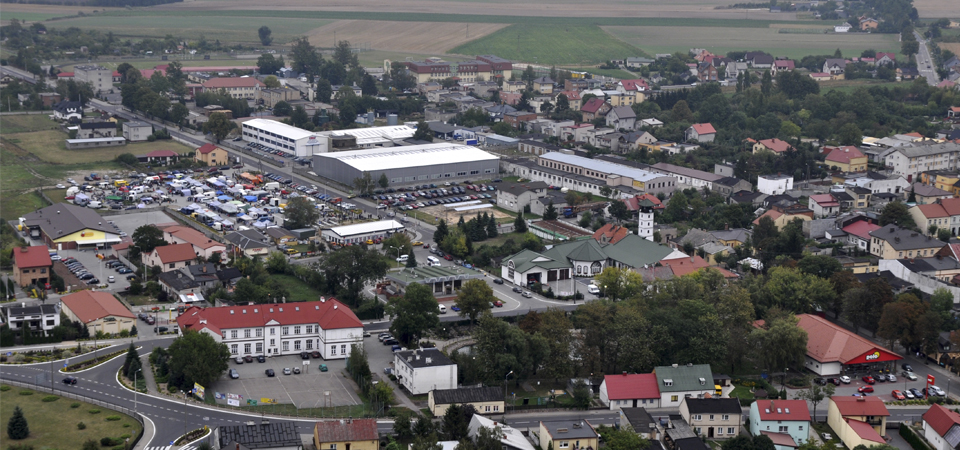
Kowal is a small town situated in the centre of
Poland. To the north-east of Kowal there is a beautiful cluster of forests and
lakes known as Gostynińsko-Włocławski Landscape Park. The town occupies an area
of 4,7 square kilometres and the number of its inhabitants is estimated at
around 3,500. Kowal`s location is definitely advantageous in terms of
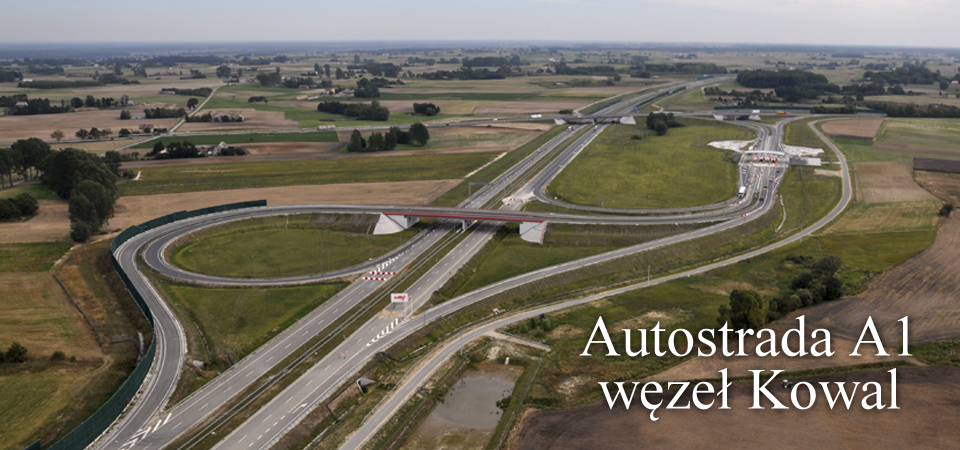
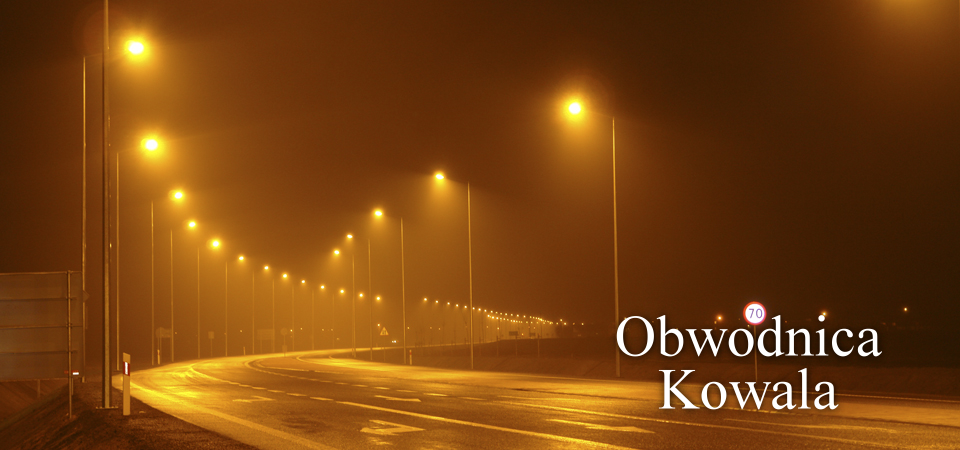
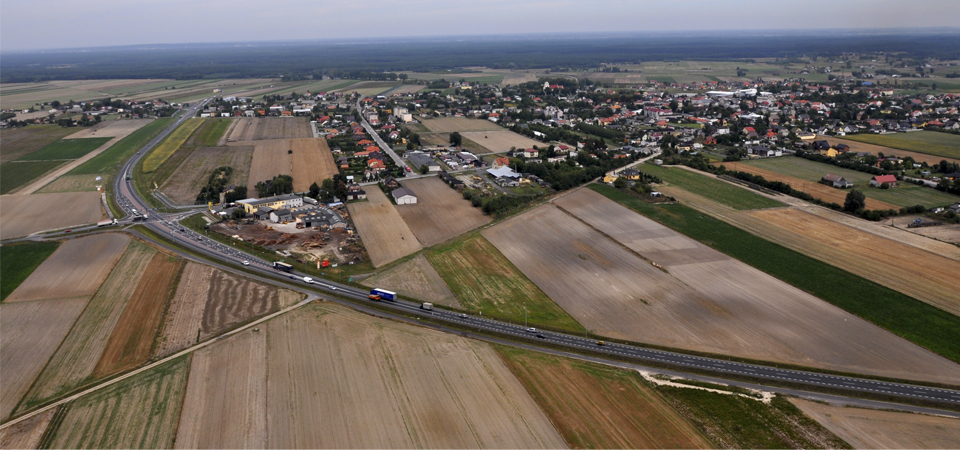
communication routes. It is situated directly beside the Kowal by-pass, along
the E-75 international road (national road no 1) as well as 3 kilometres from
the A1 motorway and combined with its own junction located 3 kilometres south
of Kowal`s town boundaries. 32 kilometres south of Kowal there is an
intersection of national roads no 1 and
2. Further south, approximately 15 kilometres, the A1 motorway intersects with
the A2 motorway.
The
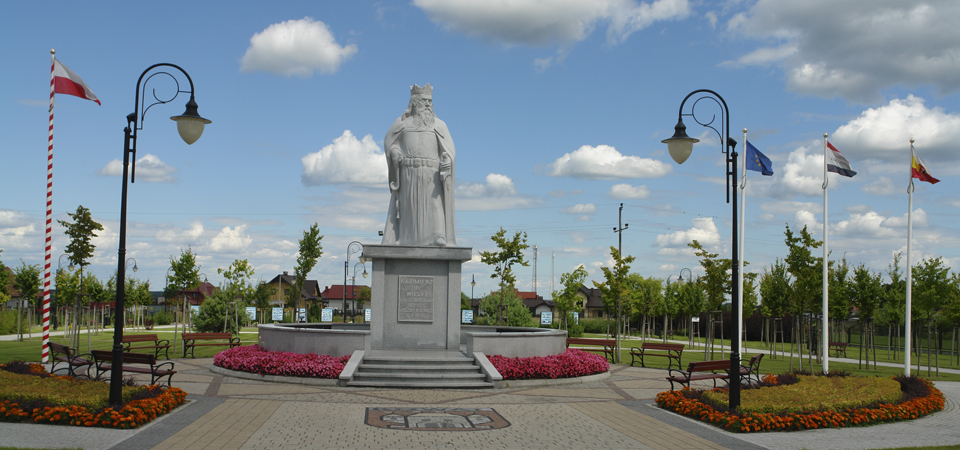
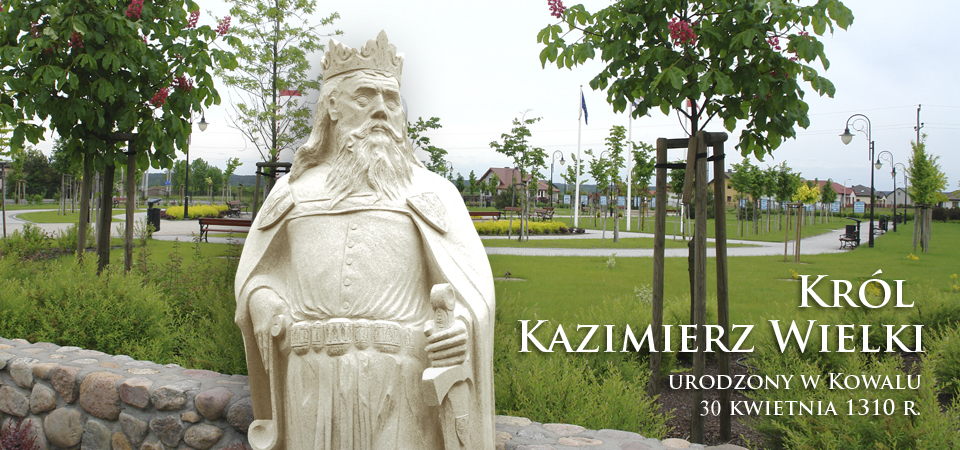
town takes great pride in its history. In 1310 King Casimir III was born in
Kowal. He was the only Polish monarch to be nicknamed `Great` for his
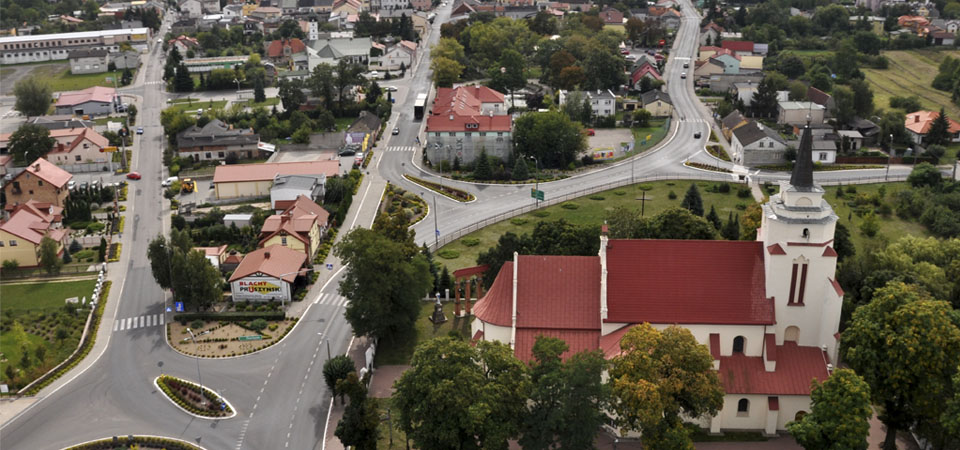
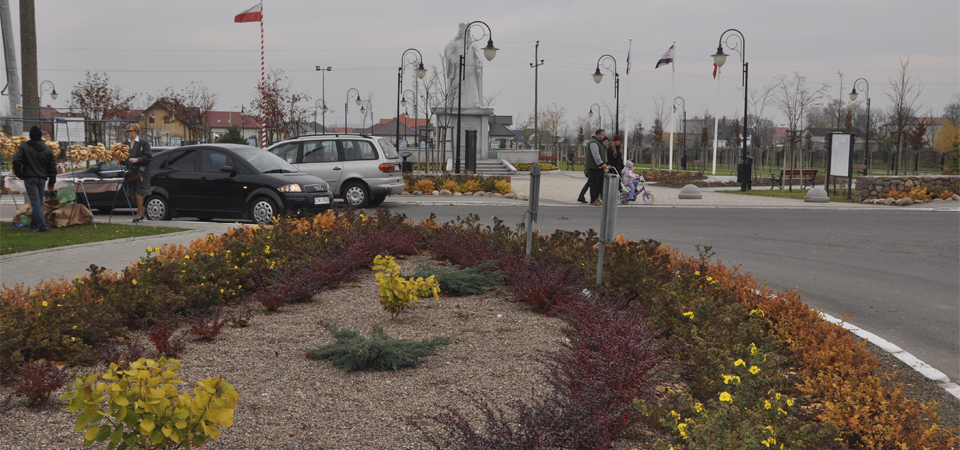
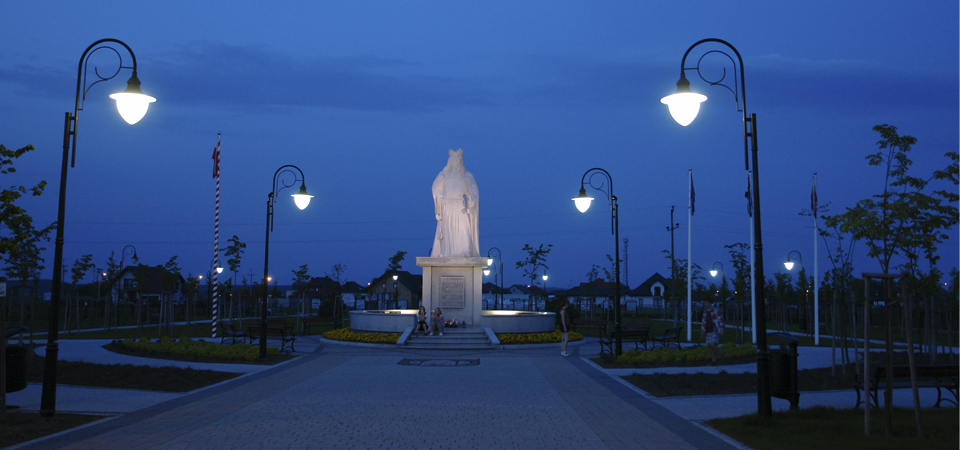
outstanding achievements in developing the country. The statue of him, which
was funded by Kowal`s citizens, is the landmark of the town. Throughout the
ages Kowal was an established administrative and judicial authority centre.
Unfortunately, the town was severely damaged during the Swedish invasion in the
XVII century. At the end of the XVIII century, the castle in Kowal was pulled
down and the town was deprived of its town privilages in 1870. They were
restored in 1919.
Until the outbreak of the Second World War,
Kowal was the centre for commerce and craftsmanship. In the 1930s the number of
Kowal`s inhabitants, consisting of people of Polish, Jewish and German descent,
increased to approximately 5000. The vast majority of Jews who lived in Kowal
fell victims to the Holocaust. Out of approximately 1500 of them only 13
survived the displacement to ghettos and concentration camps.
After
the communist rule had fallen, Kowal became a centre for services and commerce
to nearby villages and settlements. Throughout the last two decades, the town
has been greatly modernised. It now has a fully functioning sewage system built
from the ground up and combined with a water treatment plant. All streets have
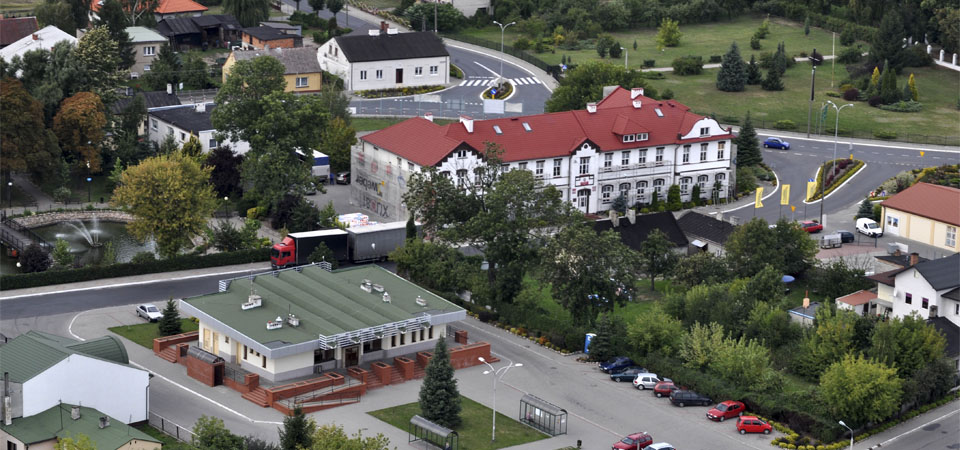
been modernised and their number has increased from 31 to 48. The number of houses in Kowal has also risen
by circa 30 per cent, which is in large part due to many new inhabitants who
decided to settle down here. In comparison with other Polish towns, Kowal sets
itself apart through great emphasis that its authorities put on making it a
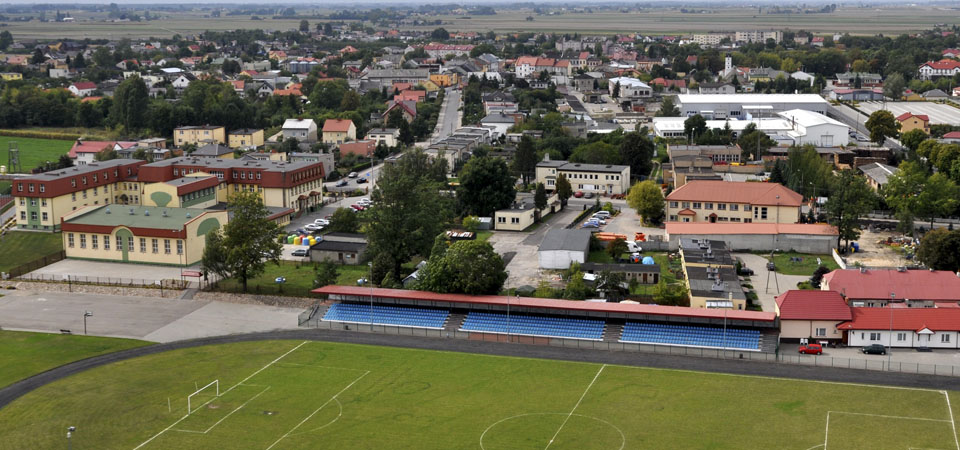
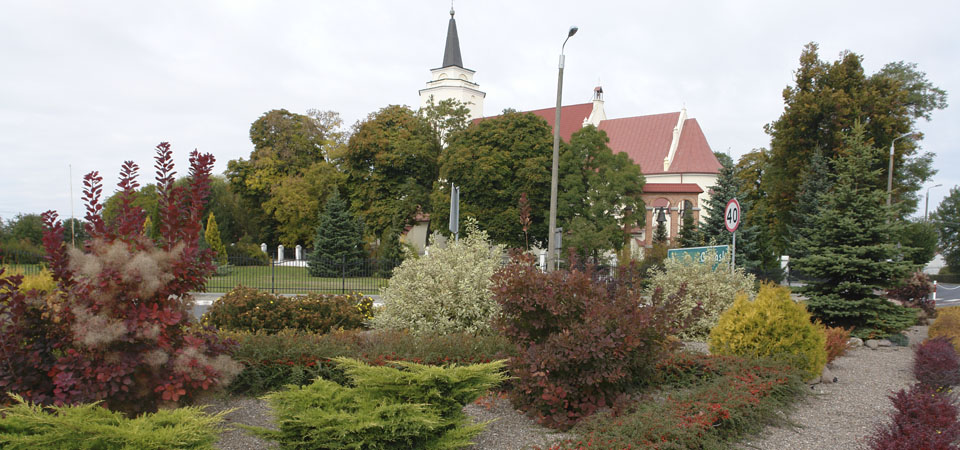
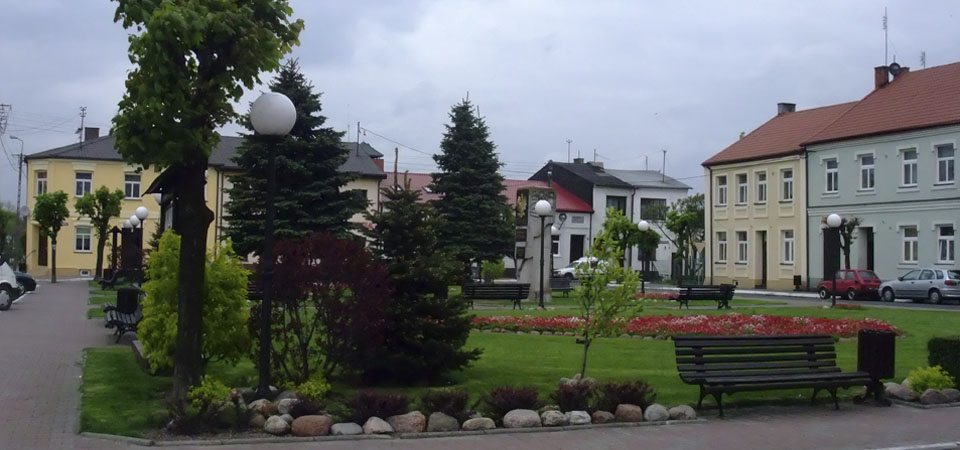
green, clean and safe place to live in. The following public places and
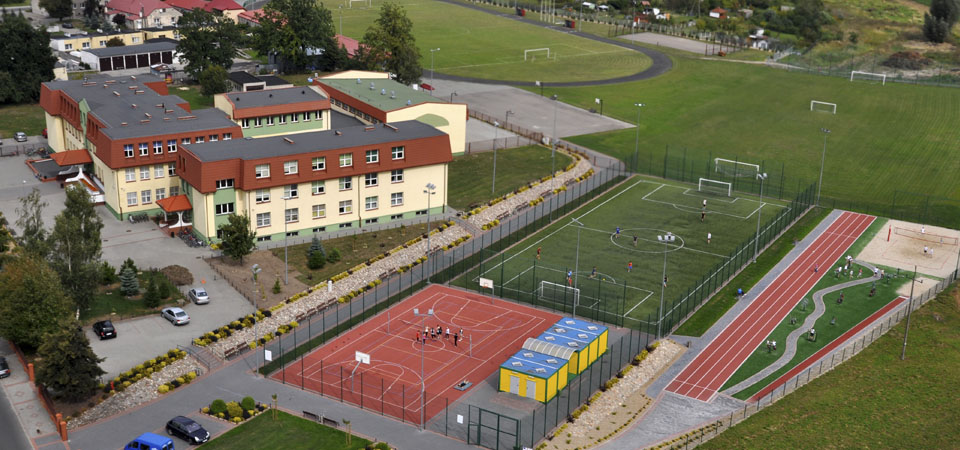
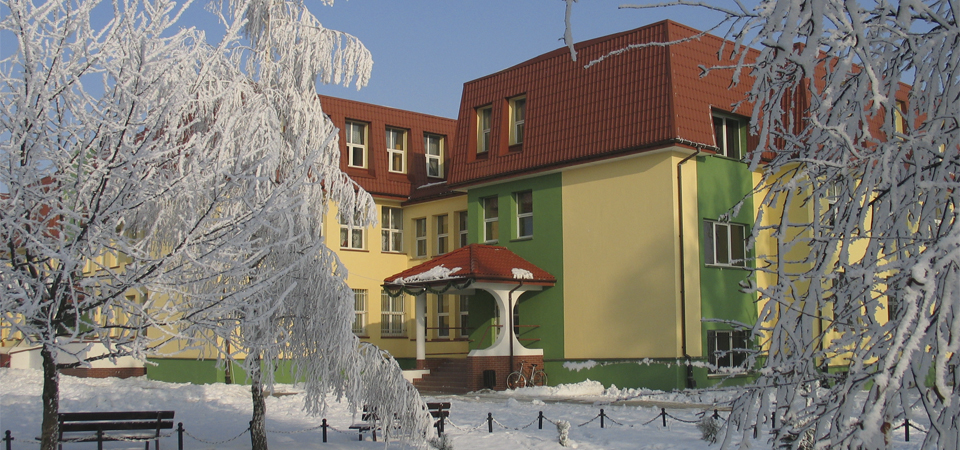
institutions can be found in Kowal: a kindergarten, a primary school, a middle
school, a secondary school, an agricultural school, three health centres, an
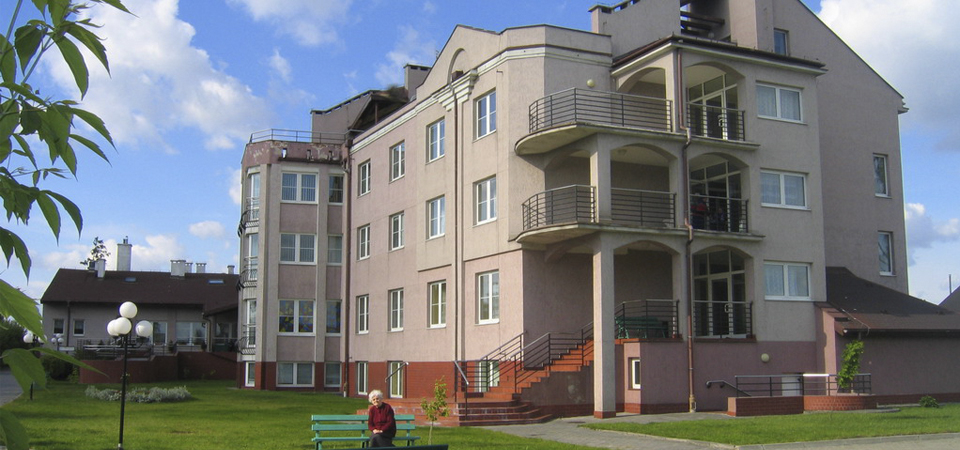
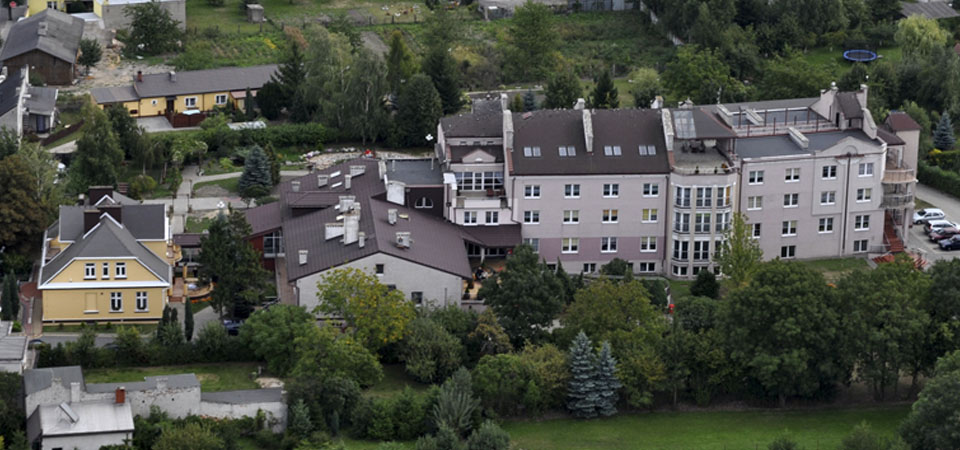
emergency rescue outpost and the Social Aid Home for people who suffer from
sclerosis multiplex (SM).
Additionally,
there is a bank in Kowal, metal industry
manufacture, carpenter workshops and a large firm producing window-panes. A
police station, public roadworks, telecommunications and energy-related service
providers are also to be found in Kowal. The town itself is open and welcoming
to new inhabitants and investors.
|